
Technologies2026-09-15
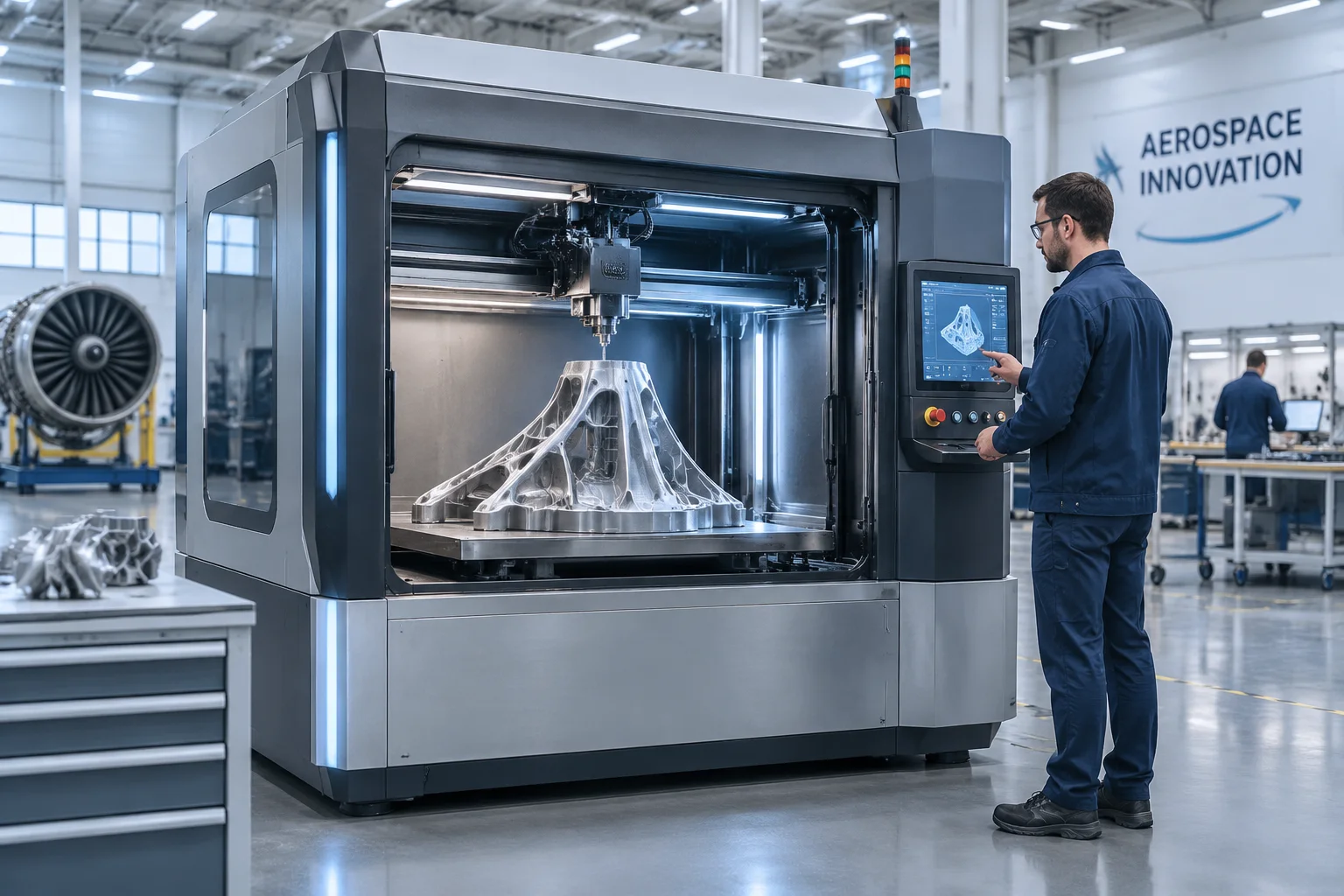
Aerospace AM Systems Demand Growth
Analysis of the rise in demand for American AM systems for aerospace and defense sectors.
By James MillerRead Guide
Independent guides to SLA layout, SLS packing, multi-build projects, and documenting the decisions behind 3D print preparation.
Deterministic partitioning for stereolithography orientation angles and selective laser sintering volumetric nesting.
Drone Enclosure Body & Sensor Caps
Optics lens holder + aesthetic shell
Structural snap-fit internal chassis
Rigorous hierarchical data structures linking individual component telemetry, build orientations, and structural parent trees across multi-plate 3D manufacturing runs.
Every sliced geometry receives a deterministic alphanumeric identifier bound to its solid topology hash, safeguarding production tracking through subsequent nesting phases.
Nested compound parts resolve automatically into parent nodes. If volumetric limits necessitate distinct build envelopes, topological hierarchy remains strictly unbroken.
Attributes explicitly register resin layer heights, recoater speeds, SLS chamber thermals, and laser vector toolpaths back to the individual parent design record.
Vat photopolymerization demands mechanical peel tension dissipation and top-down plate zoning, whereas selective laser sintering relies on volumetric thermal equilibrium and free-floating powder packing.
Planar layout & hydrostatic separation
Volumetric packing & thermal core zoning
Practical protocols for distributing multi-component assemblies across distinct stereolithography and powder bed fusion envelopes without identifier drift.
Decouple high-tolerance bearing seats into SLA resin builds while offloading structural shells to high-volume SLS cake volumes to balance throughput.
Maintain alphanumeric component prefixes through post-processing Wash/Cure stations to safeguard multi-stage matching before final fastener joining.
Lock absolute coordinate references across all individual plates to eliminate rotation mismatches during multi-part fit-up.
In SLS nesting, preserve minimum 3.0mm clearance between separate assembly trees to prevent thermal bleed between mating walls.
Group parts by cross-sectional layer area to uniformize peel forces on SLA tanks and avoid differential cure deviations.
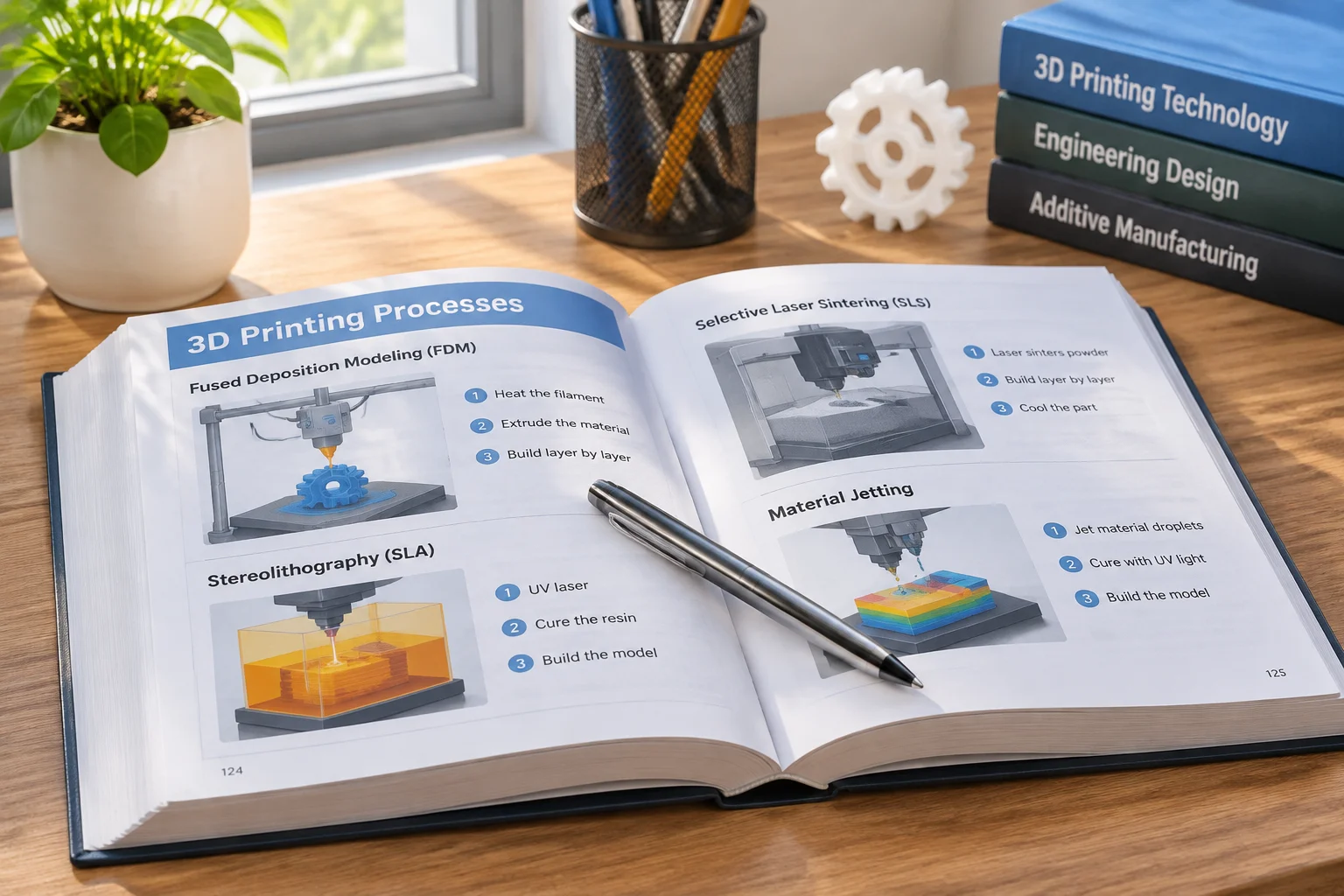
Review of ISO/ASTM 52900:2021 terminology requirements covering coordinate frame definitions, build directions, and multi-build nomenclature standards.
Explore comprehensive setup protocols across selective sintering and SLA platforms.
A technical retrospective on build chamber constraints, orientation dependencies, and batch separation protocols for mixed SLA and SLS prototypes.
A fictional scenario detailing the independent layout, packing, and documentation decisions required to split a complex prototype batch across two separate builds.
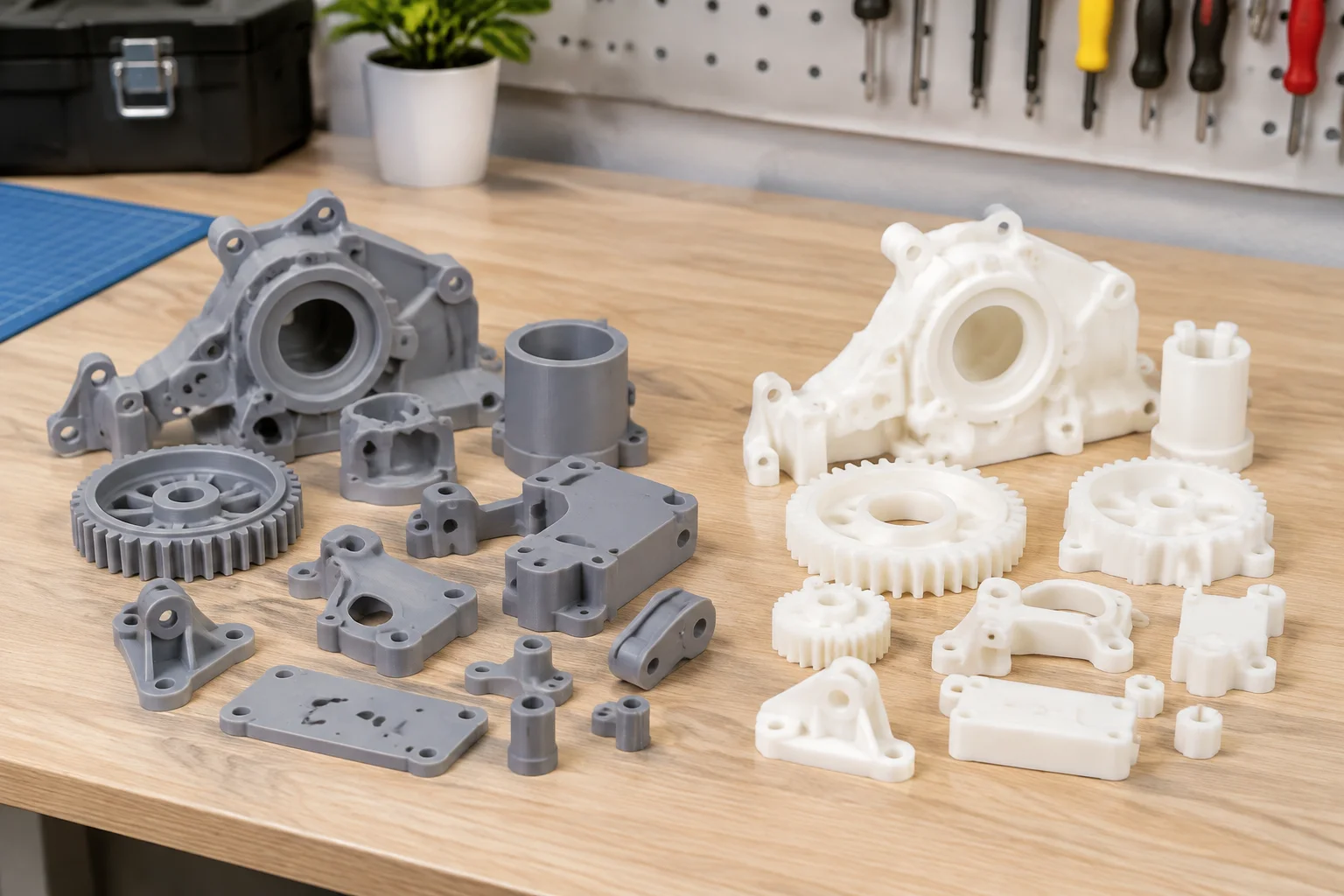
Static engineering register standard for additive production cycles. Tabular reference log tracking build identifiers, associated geometry, machine architectures, and qualified resins or powders.
| Build ID | Model ID | Printer Type | Material | Preparation Method | Review Status | Open Questions |
|---|---|---|---|---|---|---|
| BLD-2026-0891 | MDL-AER-4402-V3 | SLA Industrial |
Somos WaterShed White
|
Platform layout + auto-supports | Reviewed | None |
| BLD-2026-0892 | MDL-MAN-1194-R1 | SLS Powder Bed |
Polyamide 12 (PA12)
|
Chamber packing (3D nested) | Reviewed | None |
| BLD-2026-0895 | MDL-BRK-9930-B1 | SLA Industrial |
Deflect 110 Resin
|
Platform layout + manual supports | In review | Support density unverified |
| BLD-2026-0898 | MDL-OPT-0348-A2 | SLA Desktop |
Clear Precision Polymer
|
Chamber packing (spaced volume) | Pending | Recoater clearance check |
| BLD-2026-0902 | MDL-STR-7721-C4 | SLS Powder Bed |
PA11 High-Impact Powder
|
Chamber packing (3D nested) | In review | Refresh ratio unconfirmed |
Rigorous engineering protocols for documenting automated layer generation, support touchpoint matrices, and build audit trails in additive production pipelines.
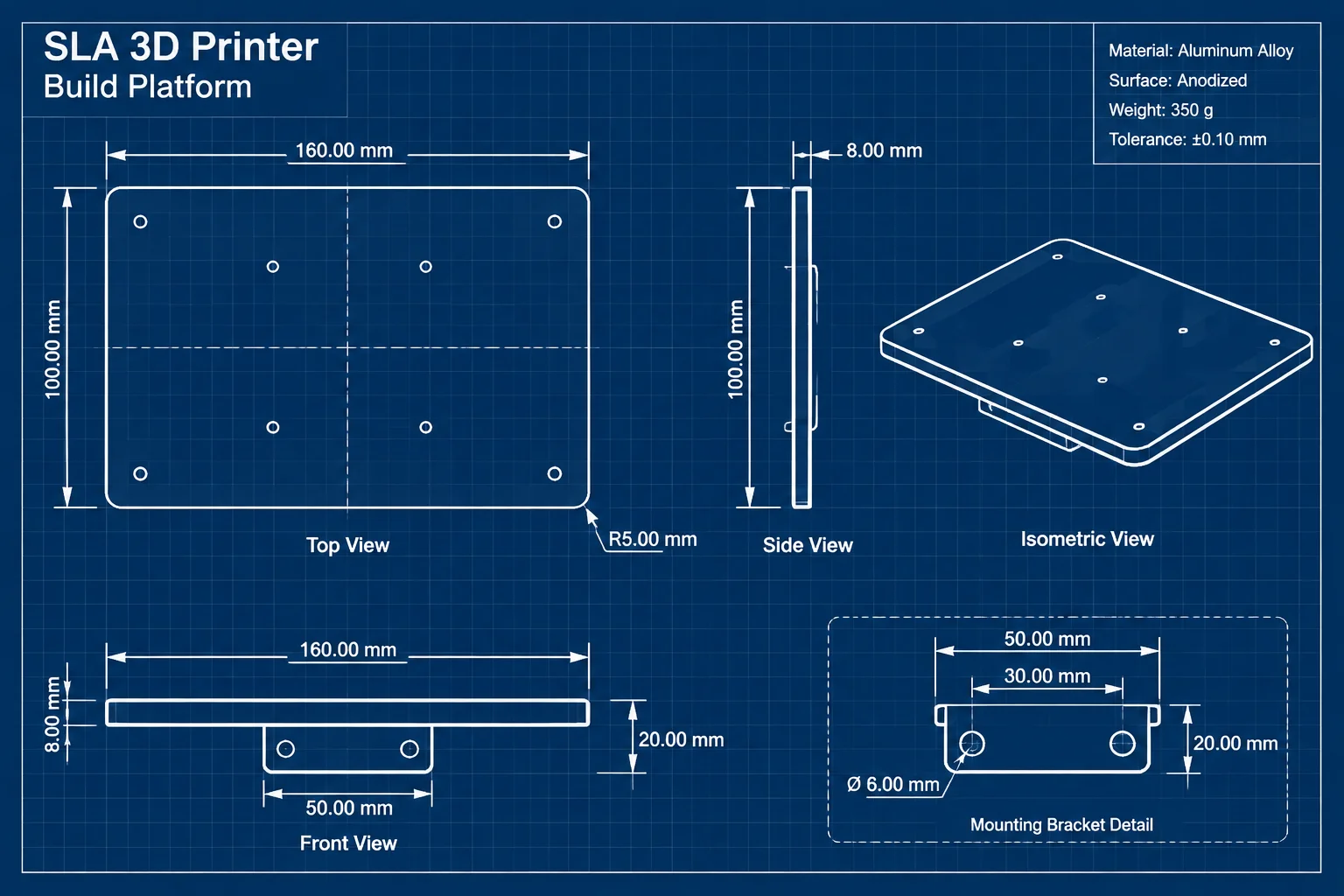
Guidelines for creating top-down schemas for SLA platforms, ensuring trace-to-batch accountability and reproducible beam path trajectories.
BuildLayout Register provides neutral technical specifications. Parameters are verified against ISO/ASTM 52900 standards to sustain audit-ready industrial additive workflows without proprietary lock-in.
// Cross-section displacement log for high-viscosity resin layers
LAYER_THICKNESS: 0.050 mm [calibrated]
Z_RETRACTION_RATE: 1.2 mm/s with 800ms shear dwell
BASE_COMPRESSION_CYCLES: 4 layers @ 12.4 W/cm²
AUDIT_FLAG: PASSED [Documented in Master Batch Log #4092]
Comprehensive technical analyses, parameter registries, and platform setup directives for stereolithography and selective laser sintering operations.
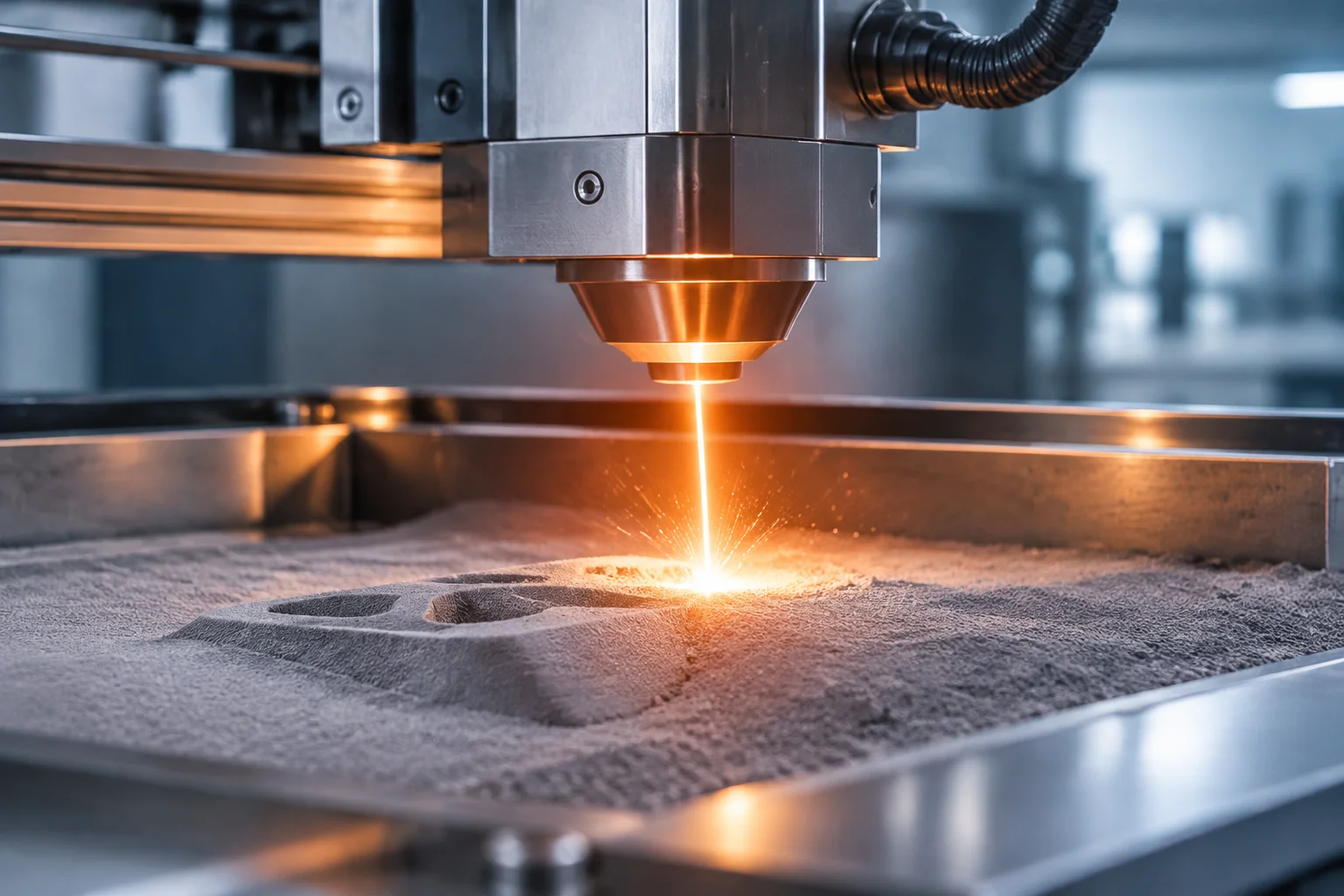
Analysis of the rise in demand for American AM systems for aerospace and defense sectors.
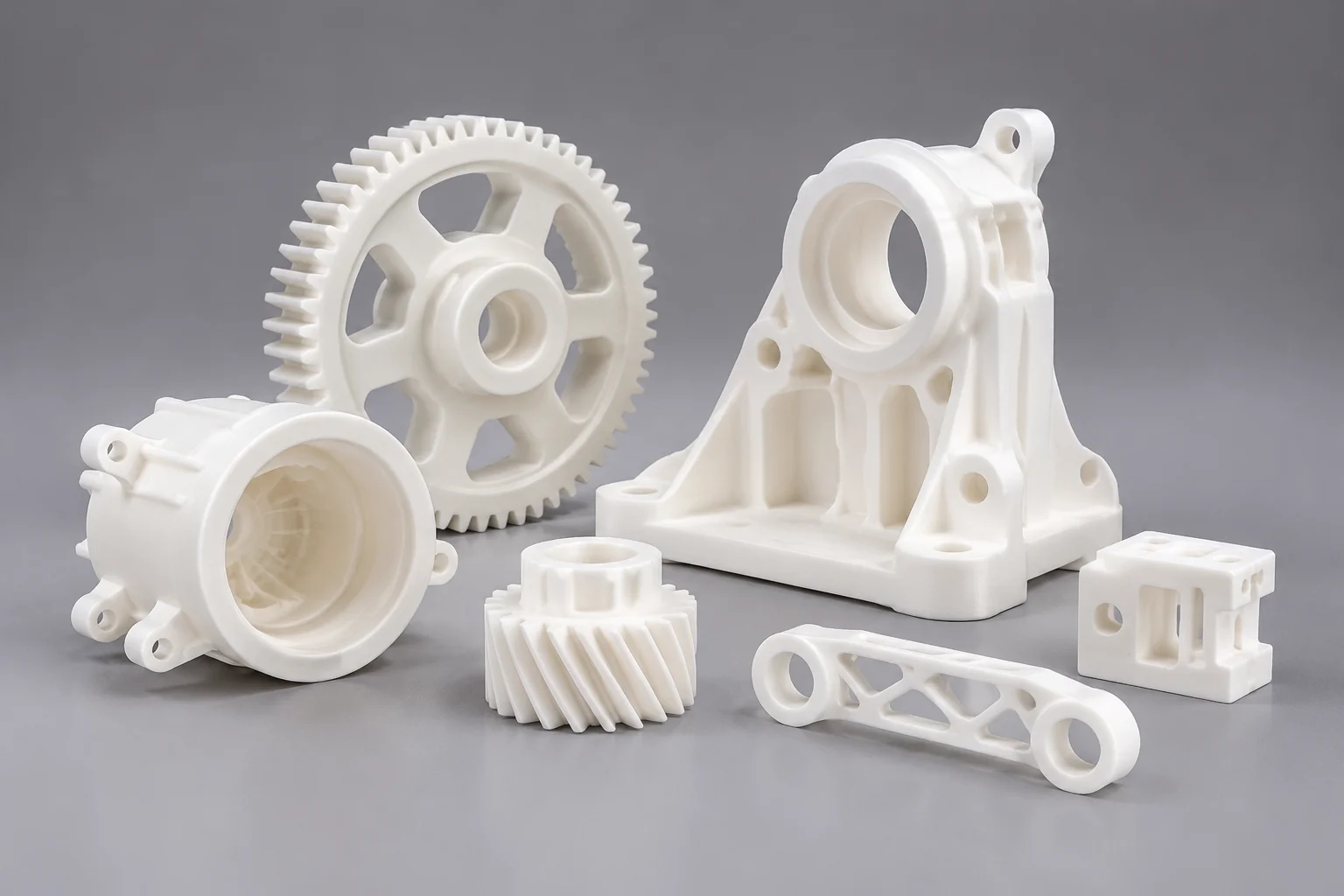
Review of the updated specifications for industrial SLS systems.

Details on support for automatic material mixing and robotic operation preparation.
Introduction of new SLA resin and platform materials.
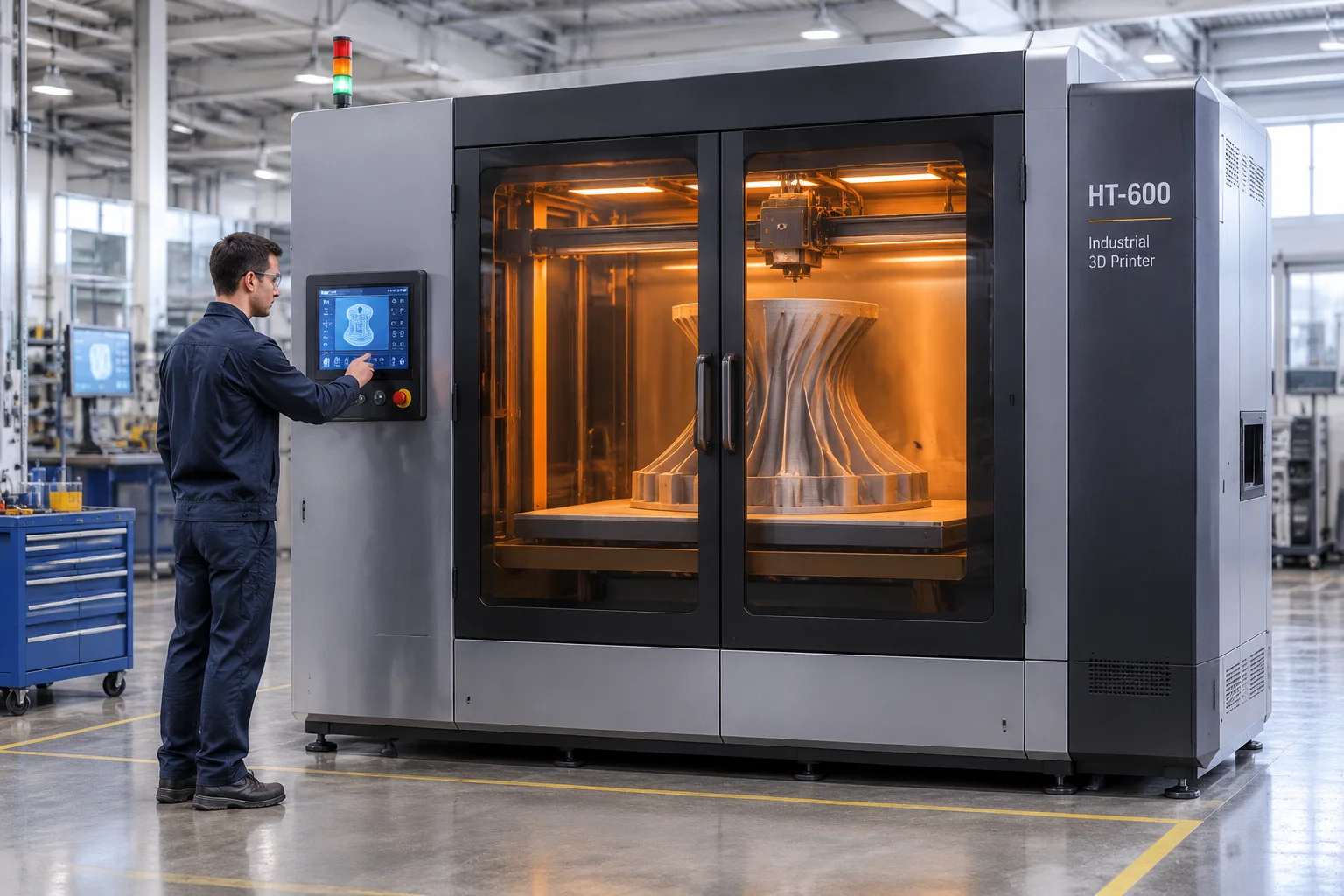
Partnership details for selling industrial equipment and materials in the US.
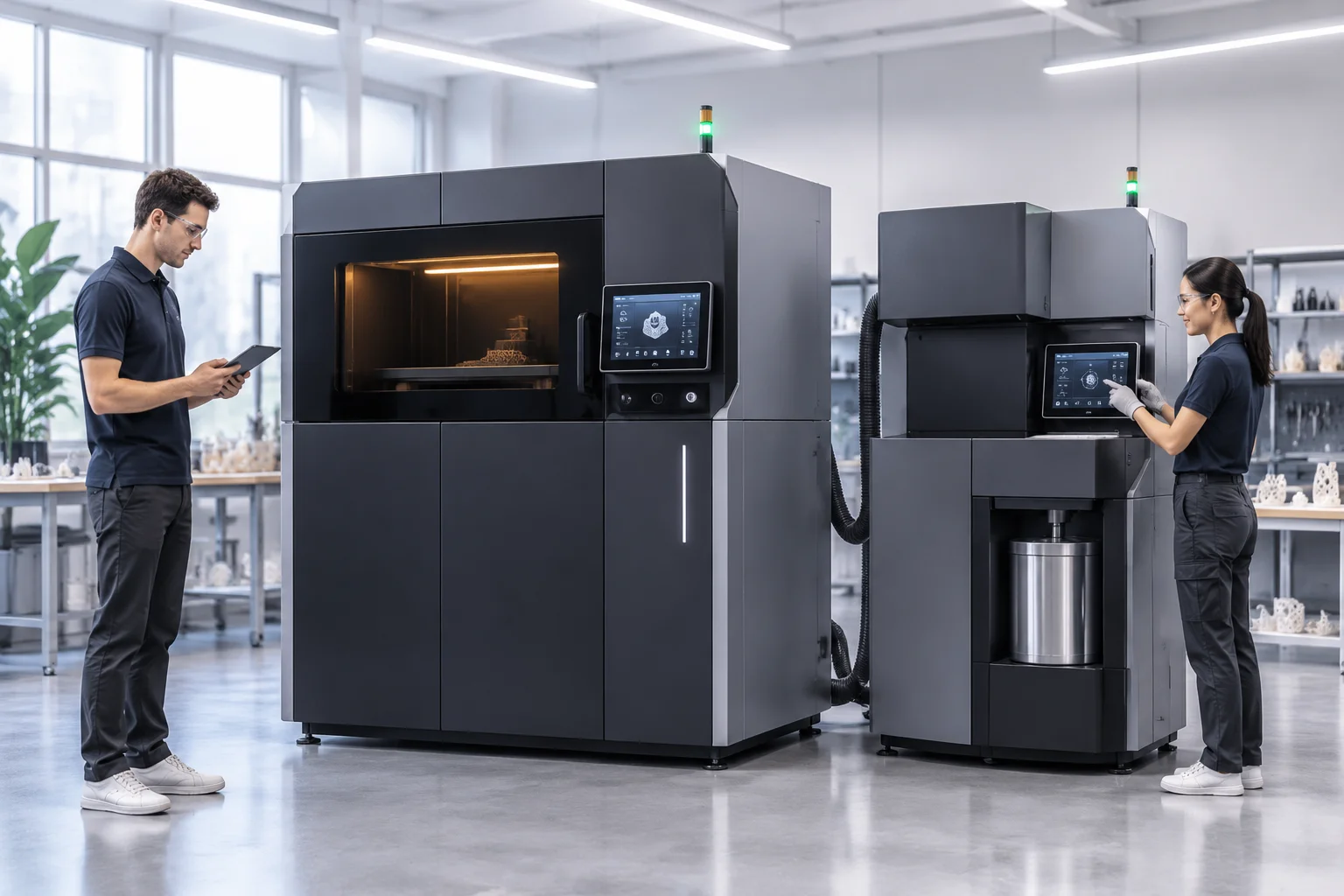
Overview of the new industrial SLS system with a 330x330x565 mm build volume.
Documented protocols utilized across industrial SLS polymer labs, aerospace prototype bays, and precision SLA toolpath centers.
AeroMatrix
AM Consortium
PolyLaser
SLS Research Bay
ResinMetric
Curing Tech Lab
VectraCAM
Toolpath Engine
OptiChamber
Thermal Physics
SynFormat
3MF Standards
Independent critiques and technical references to our documentation protocols across industrial additive engineering periodicals.
“BuildLayout Register bridges the gap between raw slicing toolpaths and standardized multi-stage pre-print logging, providing an objective schema for SLA support architectures.”
“The register’s treatment of SLS chamber thermal distribution schemas treats prep sheets as rigorous manufacturing documents rather than disposable shop notes.”
“A clean benchmark for documenting orientation angles and drain pathways. Its terminology aligns seamlessly with ISO/ASTM 52900 additive criteria.”
Rigorous layout audits, thermal slice evaluations, and multi-build documentation standards tailored for industrial SLA and SLS workflows.
Detailed technical review for an active resin platform or SLS powder chamber project.
Comprehensive nest distribution and exposure curves for multi-part series runs.
Institutional documentation protocols and custom slicing workflow integration.
All evaluations are conducted under strict non-disclosure engineering protocols. CAD source geometries remain your exclusive intellectual property.